
It is always best, and safest, to park your car off the road or in a car park. If you have to park on the road, use your common sense and choose a safe place. Ask the questions:
Road Signs and Markings
Road signs and markings will help you decide when and where you can park your car.
You must not park on:
Using hazard warning lights while parking or stopping in a no parking or restricted zone will not elevate you above the law.
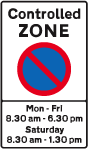
Entrance into a controlled parking zone
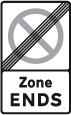
End of controlled parking zone
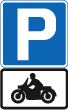
Parking place for solo motorcyclists
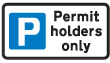
Parking restricted to permit holders

No stopping

No waiting

School Entrance. No parking or waiting
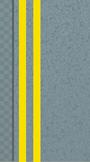
A double yellow line indicates no waiting or parking at anytime.

A single yellow indicates no waiting or parking during times shown. The times shown will be on a sign near-by.
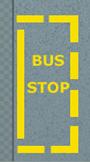
Bus stop. You must not park or stop at a bus stop.

Keep clear - do not block this part of the road.
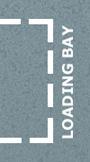
Loading bay - keep clear.
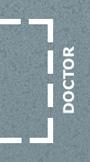
Parking space reserved for vehicles named.
Waiting or parking is limited to the duration specified during the days and times shown.
When Parking On The Road
Parking On Hills
When you park facing uphill:
When you park facing downhill:
Parking A Car At Night
At night, you can park your car without lights on roads with a speed limit of 30 mph or less. Of course, you must comply with any local parking restrictions, and you must not park within 10 metres of a junction.
You must also park parallel to, and close to, the side of the road or in a designated place and facing in the direction of the traffic flow.
If you have to park on any other road, you should:
You must also never:
Remember - it is always better to park your car away from such a road.
You Must:
Whenever you park at night, never leave your headlights on. In fact, even if your pull over and stop for a short while, you should turn your headlights off. It is an offence to leave them on as they can cause dazzle to on-coming drivers.